Find the right one for snacking, baking and more.
Browse varietiesNot sure which apple to buy? Find the right one for snacking, baking and more.
Browse varietiesApple Tree Pollination: Which Apples Need a Partner?
Why almost every apple tree needs a second variety, and how to choose one that blooms at the right time
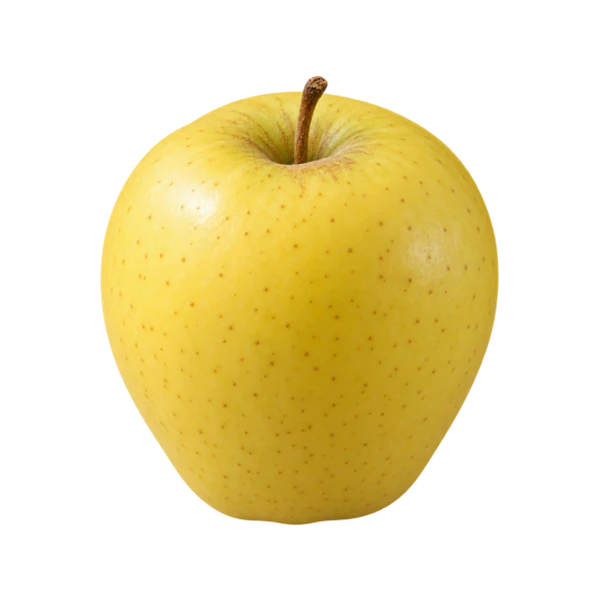
If you plant one apple tree by itself, you may get a beautiful show of blossoms and almost no apples. Most apple varieties cannot set a good crop with their own pollen. They need pollen from a different apple variety, carried by bees, while both trees are in bloom.
The fix is simple once you know the rules: plant at least two compatible varieties that flower at the same time, keep them close, and give triploid apples an extra partner. This guide walks through each rule, with examples from the varieties we cover on this site.
Extension services describe apples as self-unfruitful. Ohio State University Extension puts it bluntly: apple cultivars cannot pollinate themselves or any flowers of the same cultivar. Iowa State notes that most varieties will still set a small crop with their own pollen, but you need two varieties for a full harvest. Penn State Extension advises providing cross-pollination in every planting, even for varieties described as partly self-fruitful.
Some apples are more self-fertile than others. Golden Delicious, Gala, Granny Smith and Jonathan are usually described as partly self-fertile, and Rome is sold as self-fertile. Sources disagree on Braeburn, Cameo and Pink Lady. Every one of these still crops better with a partner, so plan on two varieties no matter what the tag says.
You don't need much. Penn State notes that only 2 to 8 percent of apple flowers need to be pollinated to give a full crop. That is why one good partner tree, or even a neighbor's tree, can make such a difference.
Two varieties can only pollinate each other if their flowers are open at the same time. Nurseries and extension guides group apples as early, midseason or late bloomers, sometimes with numbered bloom groups. Stark Bro's advises pairing a variety with others in its own bloom period or the one next to it, and warns that early bloomers won't pollinate late bloomers. Iowa State adds that midseason varieties overlap with both early and late ones, which makes them the safest partners.
Bloom timing isn't fixed. Stark Bro's notes that an unusually warm spring can push many varieties into bloom closer together. Bloom time also matters in a second way: late bloomers like Rome and Northern Spy tend to miss spring frosts, while early bloomers like Idared can lose blossoms in a late freeze.
| Bloom period | Examples from our variety list | Good partners |
|---|---|---|
| Early | Idared, Zestar!, Gravenstein, McIntosh (early to mid) | Other early or midseason bloomers |
| Midseason | Gala, Fuji, Golden Delicious, Red Delicious, Granny Smith, Empire, Cortland, Jonathan | Almost anything except the latest bloomers |
| Mid to late | Honeycrisp, Braeburn, Stayman | Midseason and late bloomers |
| Late | Rome, Northern Spy, York Imperial | Other late or mid to late bloomers |
A few apples are triploids, meaning they carry an extra set of chromosomes and produce nearly sterile pollen. They need pollen from another variety, but they cannot return the favor. If you plant a triploid with only one partner, the triploid may fruit while the partner does not.
The common advice from Iowa State, Stark Bro's and the University of Georgia is to plant at least three varieties: the triploid plus two non-triploids that bloom at the same time, so those two also pollinate each other. Triploids on our list include Jonagold, Crispin (also called Mutsu), Stayman, Gravenstein and Arkansas Black. Winesap is a poor pollen source and some nurseries describe it as triploid, so treat it the same way. Older triploids include Baldwin, Rhode Island Greening and Roxbury Russet.
One extra wrinkle: Jonagold cannot use Golden Delicious, one of its parents, as a partner, because the two are incompatible. Virginia Cooperative Extension also notes that Winesap and Stayman do not pollinate each other.
Close relatives can fail even when their bloom times match. Penn State Extension says red sports and spur strains count as the same variety as their parent, so a redder strain of a variety will not pollinate the original. McIntosh and Early McIntosh are too closely related to pollinate each other, and Texas A&M notes that Gala, Imperial Gala and Royal Gala do not pollinate one another.
The same goes for parents and offspring in some cases. Cosmic Crisp, which home gardeners can plant only in Washington, should not be paired with Honeycrisp or Enterprise, its two parents. When in doubt, choose a partner from a different family line, and check the pollination notes on each variety page.
If you want a ready made plan, the University of Georgia groups compatible apples by letter in its home garden guide. Its group B, for example, includes Ginger Gold, Gala, Red Delicious, Fuji and Granny Smith, so any two of those make a workable pair. For a small yard elsewhere, two unrelated midseason bloomers such as Golden Delicious and Red Delicious are a safe start, and Virginia Cooperative Extension notes that commercial growers widely use Golden Delicious as a pollinizer.
Flowering crabapples are apples too, and they make excellent pollinators if they bloom at the same time. Iowa State says most flowering crabapples will pollinate nearby apples, and Stark Bro's calls them a good fallback when you are unsure about a pairing. Penn State suggests white, single flowered crabapples, since bees treat them most like apple blossoms, but warns that some crabapples are more prone to fire blight than apples and can spread it.
Keep partners close. The University of Minnesota and Stark Bro's both say to keep a pollen source within about 100 feet, and Iowa State gives a range of 50 to 100 feet. A neighbor's apple or crabapple in that range counts. If you only have room for one tree, Ohio State notes that some nurseries sell trees with two or more compatible varieties grafted onto one trunk.
Bees do the actual work. Penn State reports that honey bees fly at about 65 degrees F, while bumble bees and solitary bees fly at temperatures 5 to 10 degrees lower, and that pollen doesn't germinate below 41 degrees F. A cold, rainy bloom can mean a light crop even with perfect partners. Help the bees by never spraying insecticides on trees in bloom, as University of Maine Extension advises.
In most cases, yes. Nearly all apple varieties need pollen from a different variety that blooms at the same time. A neighbor's apple or flowering crabapple within about 100 feet can serve as your second tree.
No. Two Honeycrisp trees, or a Gala and a Royal Gala, are genetically the same variety for pollination purposes. You need two different, unrelated varieties.
A triploid apple has an extra set of chromosomes and makes nearly sterile pollen. Jonagold, Crispin (Mutsu), Stayman and Gravenstein are examples. Plant them with two other varieties so every tree gets pollinated.
Usually, yes, as long as it blooms at the same time and is within about 100 feet. White, single flowered crabapples are the best choice, and you should watch them for fire blight.
Best Apple Trees for Your Backyard
The best backyard apple trees are ones you can actually buy, that suit your winters, and that you can keep healthy without an orchard sprayer.
Best Apples for Baking
Which apples hold up in pies, crisps and tarts.
When Is Apple Season?
Month by month, plus why apples are in stores all year.