
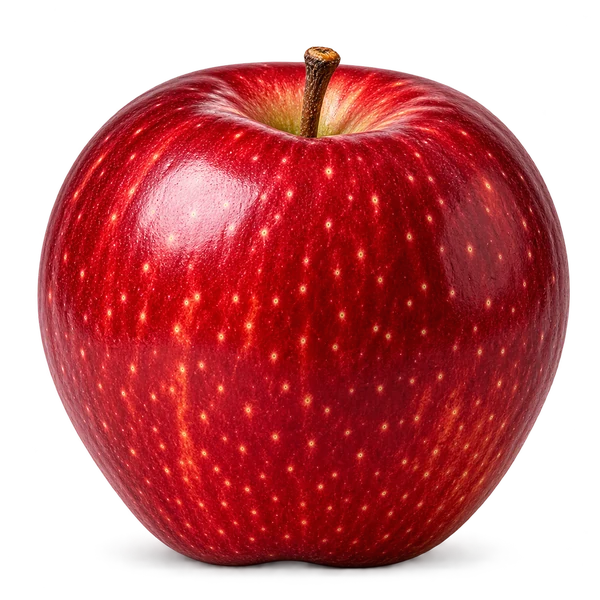
New Apple Varieties Worth Trying
The newest apples to reach store shelves, and what makes each one different.
Not sure which apple to buy? Find the right one for snacking, baking and more.
Browse varietiesAssorted Apples
Find your next favorite apple, learn what's inside it, and know exactly what to make with it.
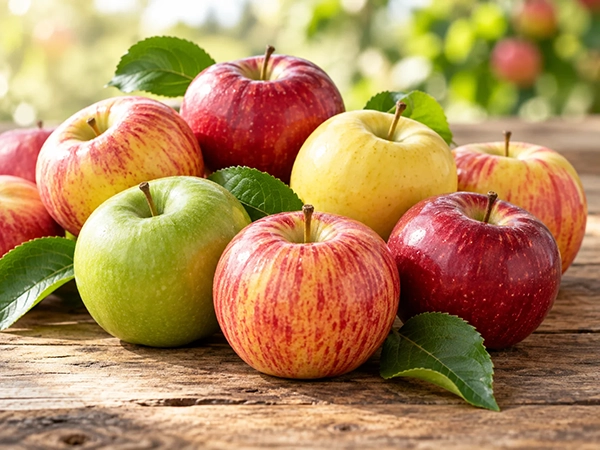
There are dozens of apples in the grocery store and they are not interchangeable. Some are built for snacking, some fall apart in the oven, and some only show up for a few weeks a year.
Assorted Apples breaks down the most popular varieties by flavor, texture and best use, then pairs them with recipes and plain-language nutrition guides, so you always know which apple to grab.
Fuji, Gala, Granny Smith, Honeycrisp and Red Delicious are the five most grown apples in the United States. Here they are, plus three rising stars.
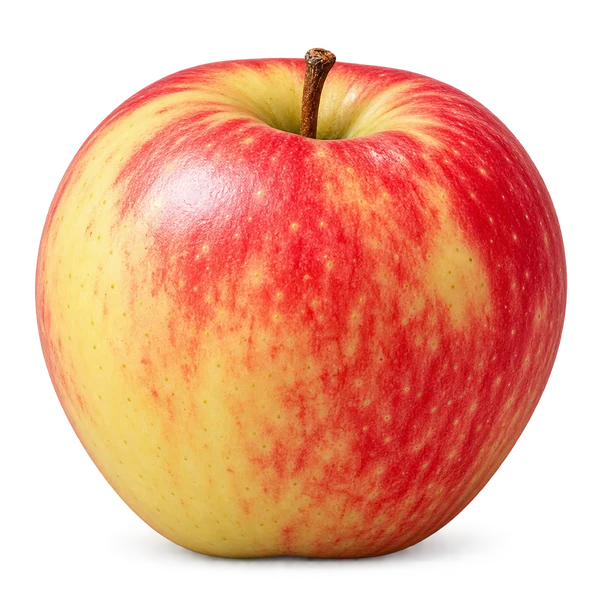
Ambrosia
Honey-sweet with almost no tartness.
Cosmic Crisp
Washington's long-keeping crunch.
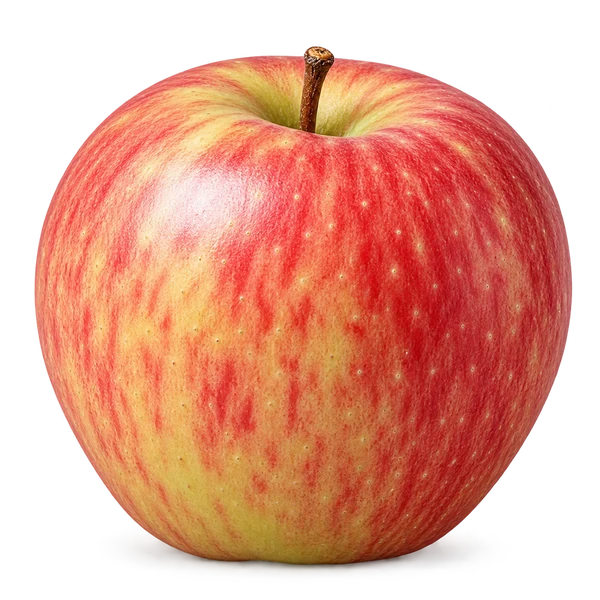
Fuji
Dense, crunchy and very sweet.
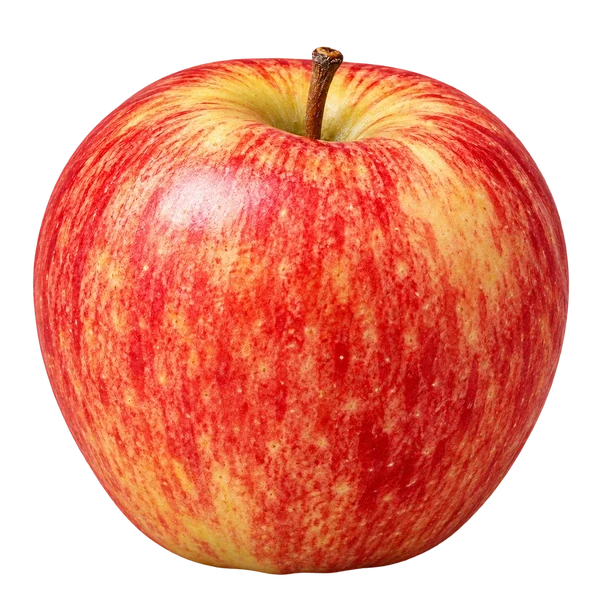
Gala
America's most grown apple.
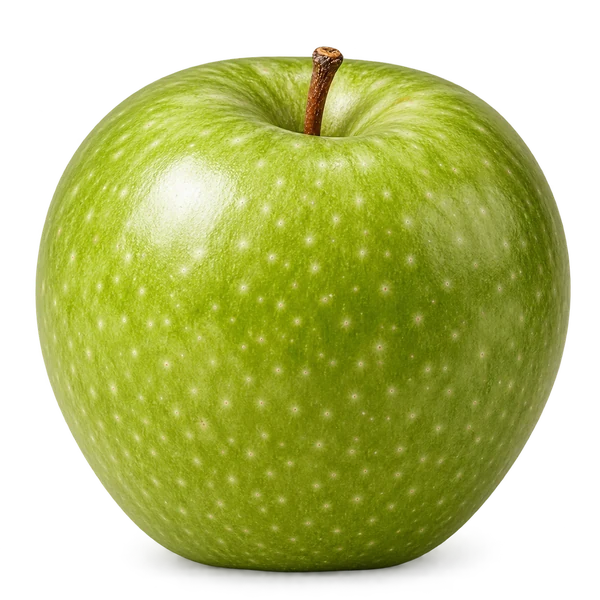
Granny Smith
The tart green baking standard.
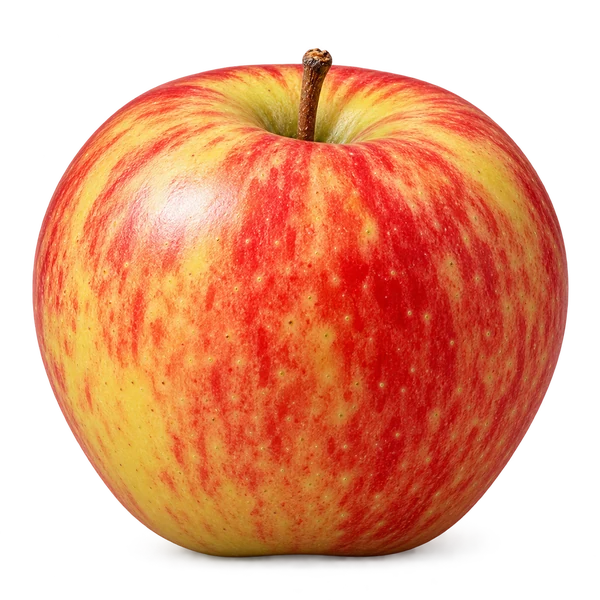
Honeycrisp
The apple that made crunch famous.
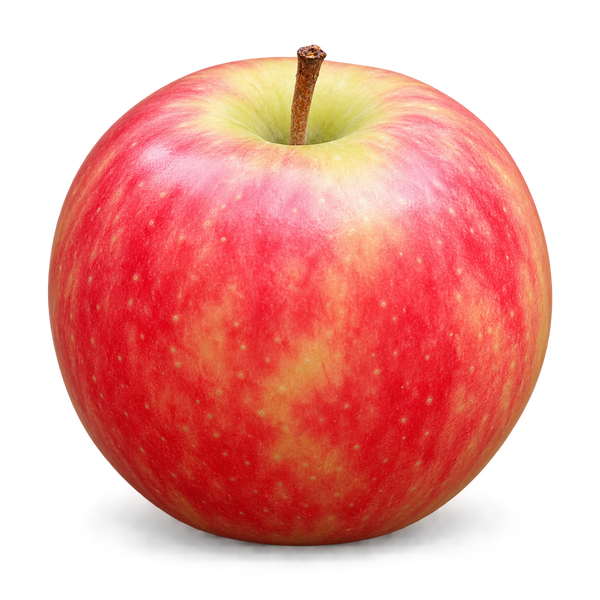
Pink Lady
Tart, fizzy and pink.
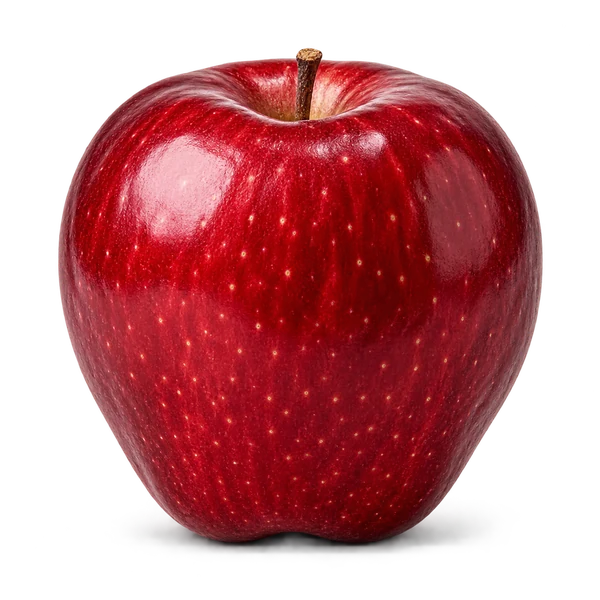
Red Delicious
The classic red apple.
Sweet
Low in tartness, great for snacking and kids.
Tart
Bright and tangy, the classic choice for pies.
Extra crunchy
Loud, crisp bites that hold up for months.
Best for baking
Hold their shape and flavor in the oven.
Apples are harvested from late summer through fall, but some are stored and sold well into the next year. Here is roughly when to look for each one.
Early season
August to early September
Rave, Zestar!, Paula Red, Ginger Gold, SweeTango, Gala, Honeycrisp
Late season
October to November
Fuji, Granny Smith, Pink Lady, Braeburn, Kiku, PiƱata, Northern Spy, Arkansas Black
Winter and spring
Long keepers from storage
Cosmic Crisp, EverCrisp, Lady Alice, RubyFrost, Pazazz, SugarBee
Start with what you want to make. These three apples are the safest bets for each job.

Featured recipe
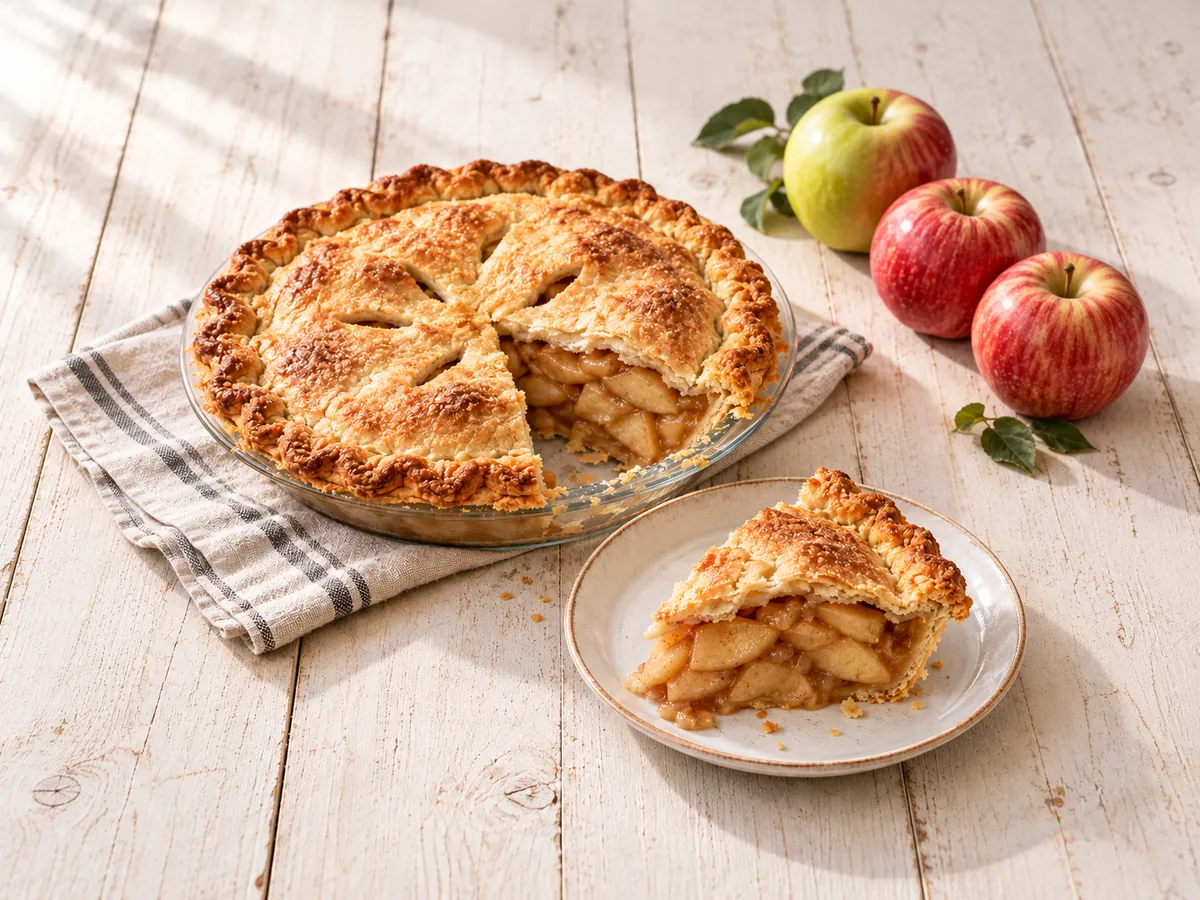
A double-crust classic made with a blend of apples: Honeycrisp for sweetness, Granny Smith for tang and Braeburn for a filling that holds together.

New Apple Varieties Worth Trying
The newest apples to reach store shelves, and what makes each one different.
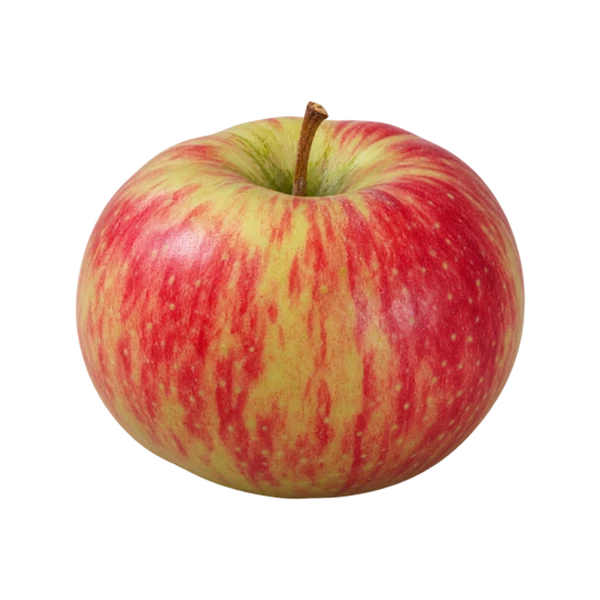
Oldest Apple Varieties You Can Still Buy
Heirloom apples with roots in the 1800s that still show up in stores.

Slow-browning apples for salads, platters and lunch boxes.
Keep them cold
Apples last weeks in the refrigerator crisper drawer but soften much faster on the counter.
Give them space
Apples give off ethylene gas, which speeds ripening. Store them away from greens, carrots and potatoes.
Check for bruises
One soft or damaged apple can spoil the ones around it. Eat bruised apples first.
Stop browning
A squeeze of lemon juice keeps slices bright. Or pick a slow-browning apple like Opal or Envy.
Fuji, Kiku, Ambrosia, SugarBee and Autumn Glory are among the sweetest apples you can buy. Kiku, a type of Fuji, often measures even sweeter than regular Fuji.
A mix works best. Granny Smith adds tang and holds its shape, Honeycrisp adds sweetness and Braeburn takes spices well. Golden Delicious melts in and thickens the filling. Try our Harvest Apple Pie.
No, but they last much longer cold. On the counter apples soften within days. In the refrigerator crisper drawer most varieties stay crisp for weeks.
Gala is the most grown apple in the United States, followed by Red Delicious, Honeycrisp, Granny Smith and Fuji. Gala took the top spot from Red Delicious in 2018.
Cutting an apple exposes its flesh to air, and a natural enzyme reacts with oxygen to turn it brown. Lemon juice slows this down, and some varieties like Opal brown very slowly on their own.
About 7,500 apple varieties are grown around the world, but only a small number are grown commercially and sold in stores.
#1
Gala is the most grown apple in the United States.
Over half
of all US apples are grown in Washington State.
50+ years
Red Delicious was America's top apple before Gala passed it in 2018.
State fruit
Honeycrisp is the official state fruit of Minnesota.
A medium apple is mostly water, with a good dose of fiber. A large share of that fiber is pectin, a soluble fiber that also helps jams set. The skin holds much of the fiber and many of the plant compounds, so eating the peel counts.
About 95
calories
4.4 g
fiber
8 mg
vitamin C
86%
water
One medium apple, about 182 g, with skin. Source: USDA FoodData Central.