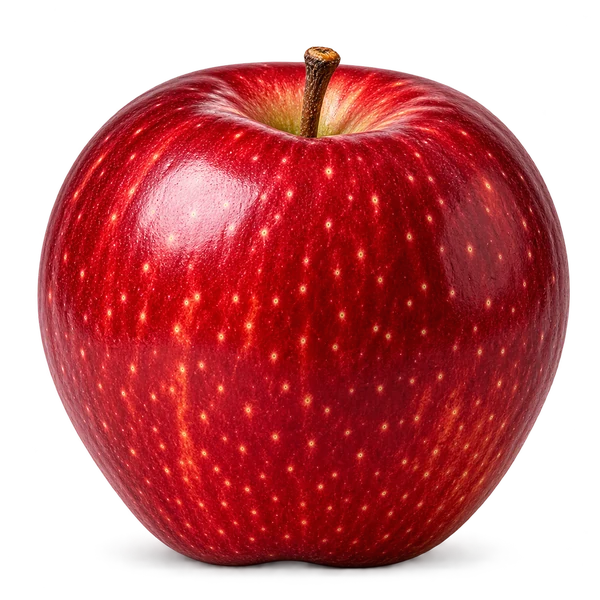
Not sure which apple to buy? Find the right one for snacking, baking and more.
Browse varieties
A club apple, also called a managed variety, is an apple whose owner controls who can grow it and how it is sold. To grow one, a farmer has to be licensed and usually pays royalties.
Many of the newer apples in stores work this way. Older apples like McIntosh, Granny Smith and Golden Delicious are open varieties: anyone can grow them.
The owner, often a university breeding program or a grower group, licenses the variety to selected growers. Growers pay royalties on trees or on the fruit they sell, and they have to meet quality standards before the apples can carry the brand name.
Owners use this control to match supply with demand, so the market is not flooded and growers get a steadier price.

Breeding a new apple takes decades. Royalties pay for that work. Washington State University, for example, uses royalties from Cosmic Crisp to fund its apple breeding program. The quality rules also protect the brand, so a shopper who loves one SweeTango gets a similar experience the next time.
Club apples often cost a little more, but they tend to be consistent in quality. They can also be harder to find outside certain regions or seasons. And not every famous apple is a club apple: Honeycrisp was released openly and its patent expired in 2008, which is one reason it is grown so widely today.