Find the right one for snacking, baking and more.
Browse varietiesNot sure which apple to buy? Find the right one for snacking, baking and more.
Browse varieties
Idared is a shiny, bright red apple with crisp white flesh and a tangy, lightly sweet flavor. It is one of the longest-keeping apples in stores and a favorite for baking and applesauce.
Idared was bred in the Pacific Northwest, not the Northeast where most of it grows today. It came from the Idaho Agricultural Experiment Station in Moscow, Idaho, where horticulturist Leif Verner developed it from a cross of two older American apples, Jonathan and Wagener. The station introduced it in 1942, and the name combines its home state with its bright red color. A sister seedling from the same cross was released as Idajon.
Verner's team tested Idared widely before release, in 26 states and Canada, and its storage life stood out from the start. Fruit held in simple cold storage at Moscow stayed in good condition through May, and one northern Idaho grower reported keeping it in an earth cellar until mid-July. The breeders also rated it a fine baking apple, on par with Rome Beauty.
Today Idared is grown mostly far from Idaho, in Michigan, New York and other eastern states, where it is valued as a keeper and a cooking apple. In 2018 it ranked fifth among Michigan apples by acreage, behind Gala, Honeycrisp, Red Delicious and Golden Delicious. It is also widely grown in Europe, including Poland, one of the world's biggest apple producers, and it has been used as a parent of newer varieties such as Fiesta, Arlet, Pia and Pingo.
Idared is a sweet-tart apple that leans tart, with crisp, juicy, fine grained white flesh. Some tasters find a light winey note. Straight off the tree it is quite tangy and the flavor is fairly simple.
Idared is one of the few apples that often gets better in storage. After a few weeks to a few months in the cold, the acidity softens and the flavor turns sweeter and more rounded. Opinions on it as an eating apple are mixed, but almost everyone agrees it shines in cooking.
Sweet
Tart
Crunch
Juicy
Idared is a great baking apple. Its firm flesh holds its shape in pies and tarts, and its tartness gives a filling plenty of flavor. Use it in our Harvest Apple Pie or an apple crisp, and it is a classic choice for baked apples because it stays intact in the oven.
It also makes excellent applesauce. If you cook Idared with the skins on, the red peel tints the sauce a pretty pink. Try it in our homemade applesauce or slow cooker apple butter.
For eating out of hand, Idared is best after a little time in storage, when it has sweetened up. It is also blended into juice and cider.
Fresh eating
Good
Salads and cheese boards
Fair
Baking and pies
Excellent
Sauce and apple butter
Excellent
Cider and juice
Fair
Harvest
Mid to late October
In stores
October through spring
Idared is a late apple. It is usually harvested from late September to mid-October, depending on the region and the year.
Its real season is winter and spring. Because it keeps so well, Idared is often sold from fall all the way into spring, and late season fruit can taste better than apples sold right after harvest. That makes it one of the most reliable baking apples to find in February or March.
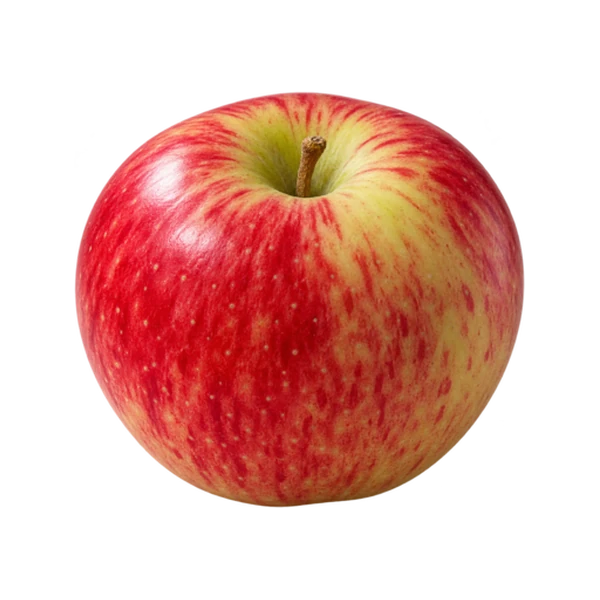
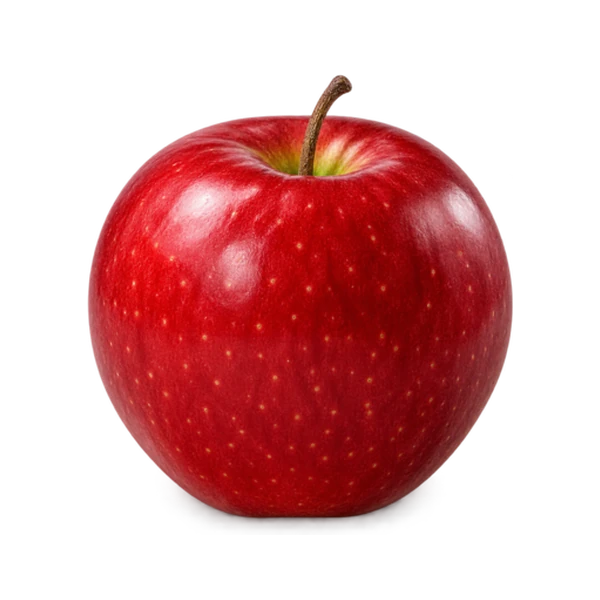
Idared is a medium to large, round apple with smooth, glossy, bright red skin over a pale green background. Well colored fruit can look almost solid red. The flesh is white, sometimes with a slight green tint.
Choose apples that are firm and shiny, with bright color and no soft or wrinkled spots. Because Idared stores so well, apples sold in late winter can still be in excellent shape, so do not hesitate to buy it later in the season.
Idared is one of the best keepers you can buy. In the refrigerator crisper drawer it can stay firm for months, and a bag kept in a home refrigerator can last much of the winter. Keep it cold rather than on the counter for the longest life.
Check stored apples now and then and use any with bruises first. If you are baking with Idared, there is no need to wait until the apples are perfectly fresh. Slightly older fruit still holds its shape and often tastes sweeter.
Hardiness
USDA zone 4 and warmer (some sources say 3)
Pollination
Needs another apple variety
Bloom time
Early
Tree size
Average vigor, heavy cropping
Idared is a productive, easy going tree for home orchards. It starts bearing young, crops heavily and regularly, and fruits on spurs, so avoid pruning off too many short fruiting shoots. It is not self-fertile and blooms early, so plant another early or midseason blooming apple nearby for pollination. Nursery ratings for hardiness vary, but it is generally listed for USDA zone 4 and warmer.
Its main weakness is fire blight, which the original Idaho testers noted and which later sources still list as a concern. It is also susceptible to powdery mildew and cedar apple rust. In irrigated orchards, young trees can produce oversized, misshapen fruit for the first couple of crops, so thinning helps. It is not a licensed variety, and trees are sold by a number of nurseries.
Idared is most common in the Northeast and Midwest, especially Michigan and New York. Look for it in grocery stores and orchards from October through spring. In other parts of the country it shows up less often.
If you bake a lot, Idared is worth seeking out in winter, when many other local apples are past their prime. Orchard stores in apple growing states often sell it in larger bags for pies and sauce.
Tangy and lightly sweet when first picked, it mellows and gets sweeter after a few months in storage. The flesh is firm, crisp and juicy.
Idared holds its shape in pies and baked apples, and it cooks down into a pretty, blush-pink applesauce when baked or simmered with the skins on.
Idared is harvested in mid to late October and is usually in stores October through spring.
No. Idared is an open variety, so any grower can plant it.
The name combines Idaho, the state where it was bred, with red, for its bright red skin.
Idared is a cross of Jonathan and Wagener, two older American apples. It was released by the Idaho Agricultural Experiment Station in 1942.
Yes, often. Idared is tart when first picked and tends to turn sweeter and more balanced after several weeks or months in cold storage, while staying firm.
It can. If you cook Idared with the skins on, the bright red peel tints the sauce pink. Strain or remove the skins after cooking for a smooth, rosy sauce.